In 2025, the use of AI chatbots for small businesses has evolved from a futuristic concept to a necessity. With rapid advancements in artificial intelligence, businesses are adopting AI-powered chatbot platforms to automate customer service, boost sales, and deliver 24/7 engagement. According to a recent report by Grand View Research, the global chatbot market is …


In 2025, the use of AI chatbots for small businesses has evolved from a futuristic concept to a necessity. With rapid advancements in artificial intelligence, businesses are adopting AI-powered chatbot platforms to automate customer service, boost sales, and deliver 24/7 engagement. According to a recent report by Grand View Research, the global chatbot market is projected to reach $27.6 billion by 2030, growing at a CAGR of 23.3% from 2023 to 2030 .
As consumer expectations rise for instant answers and personalized experiences, small businesses can’t afford to ignore automation. The new generation of AI chatbots uses natural language processing (NLP), sentiment analysis, and generative AI to respond with accuracy and empathy. They’re not just programmed bots — they’re virtual assistants that understand tone, intent, and customer needs in real-time.
Let’s explore the best AI chatbot platforms for small businesses in 2025, discuss their features, benefits, and implementation tips, and help you choose the right solution to enhance your business efficiency and customer satisfaction
Why Small Businesses Need AI Chatbots in 2025
The rise of AI chatbots is driven by a combination of necessity and innovation. Small business owners often face challenges such as limited staff, high operational costs, and the need to compete with larger brands. AI chatbots provide a solution that’s both scalable and affordable.
One major reason small businesses are adopting chatbots is the growing customer demand for instant communication. A study shows that over 80% of consumers expect an immediate response when contacting a business. AI chatbots can answer frequently asked questions, resolve minor issues, and even handle bookings without requiring human intervention. This frees up time for staff to focus on complex or high-value tasks.
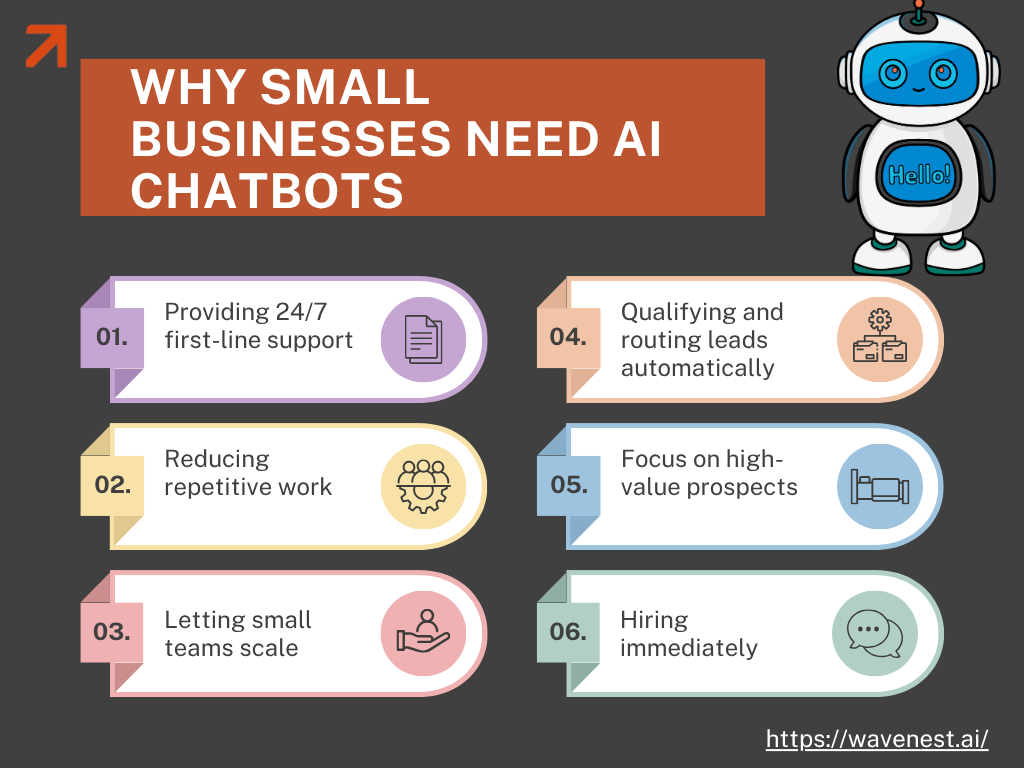
Another reason is lead generation. Chatbots can engage website visitors instantly, qualify leads by asking pre-set questions, and send the data directly to a CRM system. Instead of losing potential customers due to delayed responses, businesses can capture interest in real time.
In 2025, AI chatbots also play a vital role in personalization. Advanced platforms use customer data to tailor responses and recommend products or services. For instance, an e-commerce chatbot can suggest items based on browsing history, while a salon chatbot can remember preferred appointment times.
From cost savings to better user experiences, AI chatbots have become the digital backbone for small businesses. The ability to provide round-the-clock support with minimal overhead gives small teams the competitive edge they need in today’s fast-paced market.
How to Choose the Right AI Chatbot Platform
Not all chatbots are created equal. Choosing the right AI chatbot platform depends on your goals, budget, and industry. Small business owners should start by identifying the key purpose of the chatbot — is it for customer support, lead generation, appointment scheduling, or sales automation? Once the objective is clear, evaluating chatbot tools becomes easier.
A good AI chatbot platform for small businesses in 2025 should meet the following criteria:
- Ease of Use: Look for a platform with a no-code or drag-and-drop builder. Small business owners don’t need to be tech experts to set up a bot that works.
- Multi-channel Support: Ensure the chatbot can operate across your website, social media platforms like Facebook Messenger and WhatsApp, and even SMS.
- Integration Capabilities: The chatbot should easily integrate with your CRM, payment systems, and email tools to maintain a seamless data flow.
- AI Intelligence: Modern chatbots powered by NLP and generative AI can understand intent, context, and emotions, making conversations more human-like.
- Analytics: Reporting tools that track engagement, conversion rates, and response time help you measure ROI and continuously improve.
Businesses should also consider pricing models. Some platforms charge per conversation, while others offer fixed monthly plans. For startups and small enterprises, it’s best to start with a free or low-cost plan to test performance before scaling up.
Choosing the right chatbot can transform your operations — turning every interaction into an opportunity for conversion, loyalty, and growth.
Top AI Chatbot Platforms for Small Businesses in 2025
When small businesses look to adopt a chatbot for customer support, lead generation, or sales automation, choosing the right platform in 2025 means picking a solution that is affordable, easy to implement, and packed with AI‑powered features. Below are some of the top AI chatbot tools for small businesses this year, each with its strengths, ideal use‑cases, and things to watch out for.
As technology advances, several chatbot platforms have emerged as leaders in the small business segment. Below are some of the best AI chatbot platforms for small businesses in 2025, each catering to specific needs and industries.
1. ManyChat
ManyChat’s popularity among small business owners also stems from its intuitive interface and ease of use. Even those without technical expertise can set up automated workflows, chat sequences, and broadcast messages quickly. Its drag-and-drop builder allows businesses to design conversational experiences that feel natural, helping maintain strong customer engagement without constant manual effort.
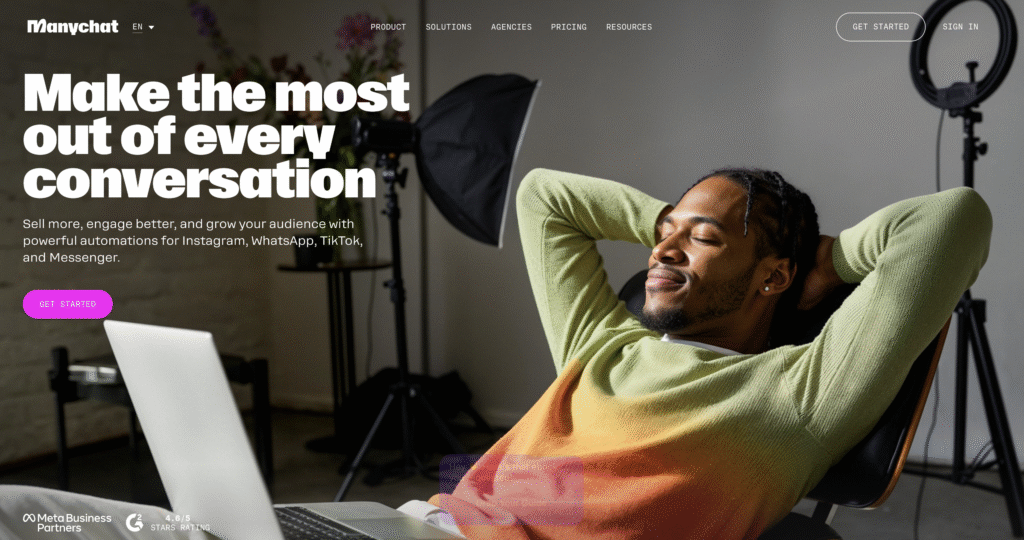
ManyChat remains a favorite among small business owners, especially for marketing and social media automation. It integrates seamlessly with Facebook Messenger, WhatsApp, and Instagram, allowing businesses to engage customers through personalized campaigns. ManyChat is excellent for lead generation, sending updates, and automating follow-ups.
2. Intercom
Intercom stands out for its ability to combine customer support, marketing, and sales automation into one platform. Beyond basic messaging, its AI chatbot leverages machine learning to provide context-aware responses, ensuring that users receive relevant information quickly. This reduces response times and frees up support teams to handle more complex queries, improving overall efficiency.
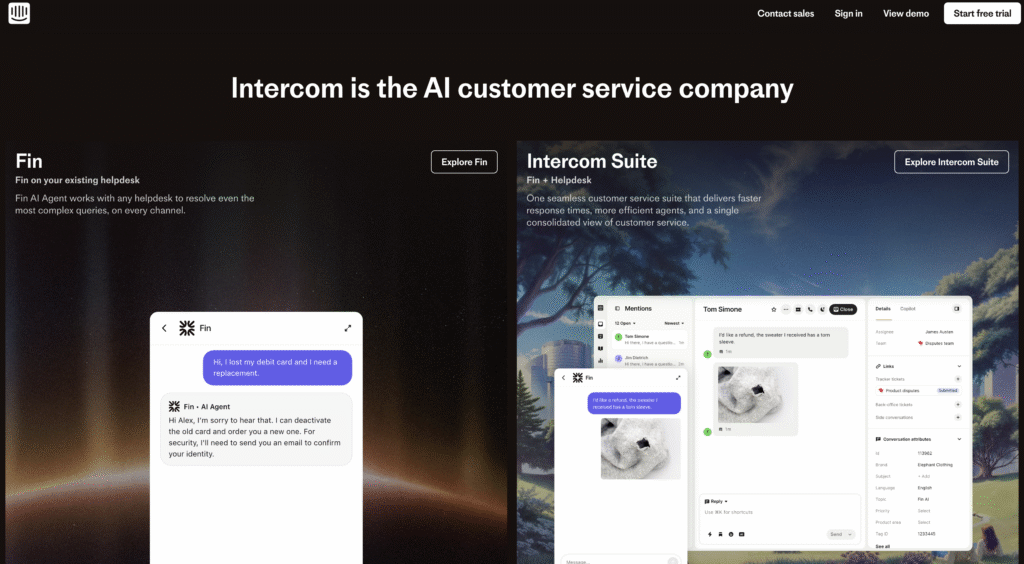
It is Known for its powerful in-app messaging capabilities, Intercom’s AI chatbot helps SaaS and service-based businesses improve customer support and drive conversions. Its conversational AI understands user intent and can guide visitors toward signing up or purchasing without human assistance.
3. Tidio
Tidio is a versatile AI-powered chatbot platform designed to help small and medium-sized businesses streamline customer communication and boost sales. Known for its simplicity and fast setup, Tidio allows businesses to integrate live chat, chatbots, and email marketing in one platform, making it ideal for companies looking to manage multiple channels from a single dashboard.
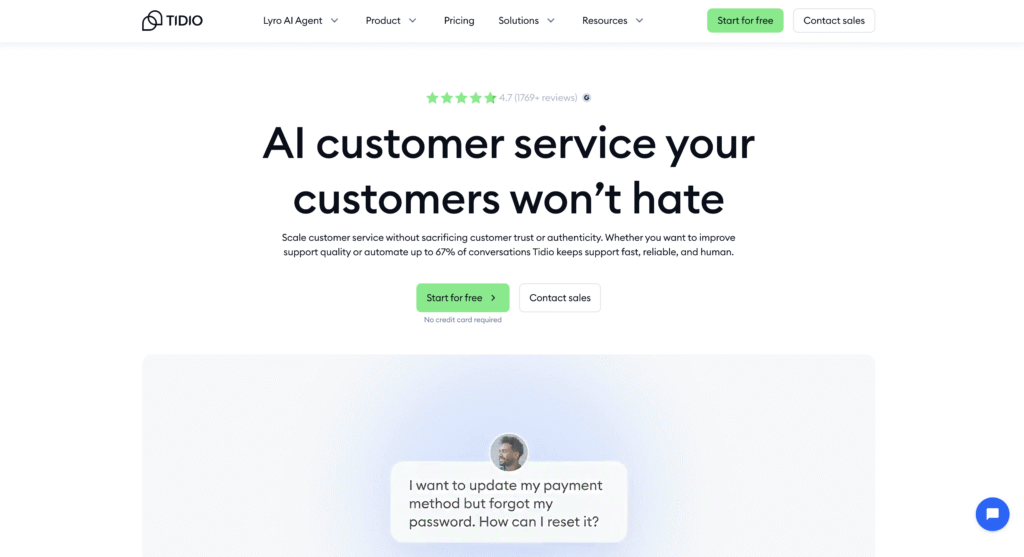
Tidio is a budget-friendly option designed for e-commerce stores and startups. It offers prebuilt chatbot templates, AI responses, and integrations with Shopify and WooCommerce. For small teams, Tidio provides the right balance between functionality and affordability.
4. HubSpot Chatbot
If you’re already using HubSpot CRM, this chatbot seamlessly integrates with your marketing and sales systems. It captures leads, qualifies them, and updates customer records automatically. HubSpot’s AI chatbot is perfect for businesses focused on inbound marketing and nurturing prospects.
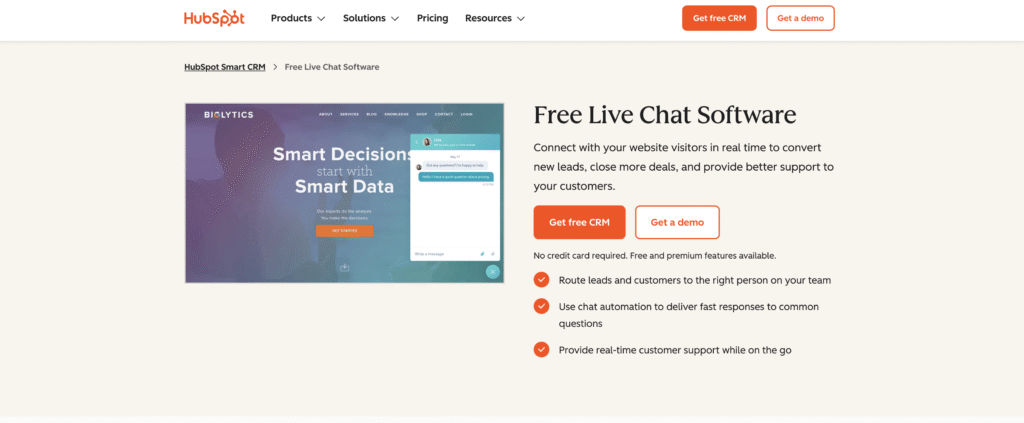
The HubSpot Chatbot, part of its Conversations and CRM platform offers small to medium‑sized businesses a powerful yet intuitive way to automate customer interactions. Here’s a breakdown of what makes it effective:
5. Drift
Drift specializes in conversational marketing and lead qualification. It uses AI to identify potential clients, ask smart questions, and schedule meetings directly with your sales team. B2B businesses love Drift for its pipeline-focused automation that improves lead-to-sale conversion rates.
Drift is a leading AI-powered conversational marketing and sales platform designed to help businesses engage website visitors, qualify leads, and accelerate the buyer’s journey. Unlike traditional chat tools, Drift focuses heavily on conversational marketing, enabling real-time, personalized interactions that drive conversions.
6. Zendesk AI Chatbot
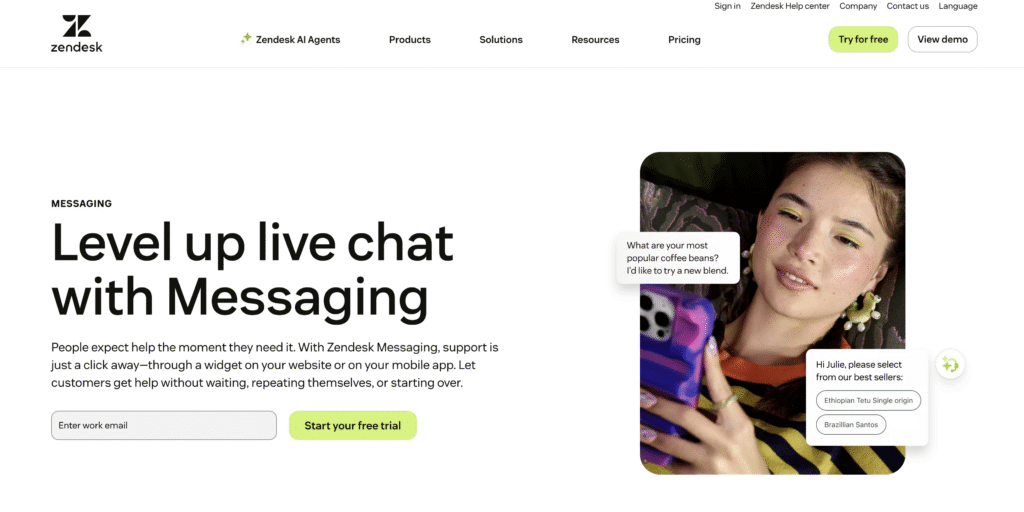
Zendesk combines a robust helpdesk system with intelligent chat automation. Its AI-driven bots handle support tickets, resolve common issues, and escalate complex cases to human agents when needed. This makes Zendesk ideal for small businesses that need structured customer service.
Each of these chatbot platforms helps small businesses automate routine tasks, improve engagement, and scale customer communication without hiring additional staff.
Implementation Tips for Small Business Owners
Deploying an AI chatbot platform for your small business can feel overwhelming at first but with the right approach, it becomes a smooth and rewarding process. Whether your goal is to automate customer support, increase leads, or improve engagement, strategic planning is essential for long-term success.
Even the best AI chatbot platform won’t yield results without the right strategy. Implementing chat automation requires thoughtful planning. Here are some practical tips:
- Start Small, Scale Gradually: Begin by automating FAQs or appointment booking before moving to complex workflows.
- Customize the Chatbot Personality: Your bot should reflect your brand’s tone — friendly, professional, or playful.
- Train with Real Conversations: Use past customer data or chat logs to make your bot more accurate and contextual.
- Integrate with Your Systems: Connect the chatbot with CRM, email, and payment tools for a seamless experience.
- Monitor Performance: Review conversation logs to identify gaps and refine the bot’s responses over time.
Testing is crucial in the first few weeks. Observe how customers interact and adjust prompts or flows accordingly. Over time, your chatbot will become more efficient and deliver a smoother experience.
Measuring Chatbot ROI
Measuring the ROI (Return on Investment) of your AI chatbot platform is crucial to understanding its true impact on your business. Many small businesses adopt chatbots for automation and customer support but fail to evaluate whether these tools are driving measurable results. In 2025, data-driven performance tracking is the key to optimizing both efficiency and profitability.
To justify the investment, small businesses must measure chatbot performance through clear metrics. Focus on:
- Response Time: How quickly the chatbot replies to customers.
- Containment Rate: The percentage of conversations resolved without human assistance.
- Lead Conversion: The number of qualified leads or sales generated via chatbot interactions.
- Customer Satisfaction: Use ratings or surveys to assess how users feel about their chatbot experience.
Regular analysis helps identify which scripts or triggers lead to better results. As chatbots continue to evolve, small businesses that track ROI effectively can refine their strategies and maximize the benefits of AI automation.
Common Mistakes to Avoid
While implementing AI chatbot platforms for small businesses can revolutionize customer engagement and streamline workflows, many companies make common mistakes that limit their chatbot’s potential. One of the biggest errors is failing to define clear objectives. Businesses often launch chatbots without outlining what problems they aim to solve.
| Common Mistake | Explanation / Impact |
|---|---|
| No clear purpose defined | Launching a chatbot without specifying its goals can lead to low engagement and ineffective automation. |
| Over-automation | Automating everything can frustrate customers; complex queries often require human intervention. |
| Ignoring analytics and feedback | Without tracking performance or listening to customer feedback, businesses miss opportunities to improve chatbot effectiveness. |
| Not updating responses | As business offerings or processes change, outdated chatbot responses can confuse or mislead customers. |
Final Thoughts
As 2025 unfolds, AI chatbot platforms for small businesses are no longer optional—they’re essential for growth, efficiency, and customer satisfaction. From automating repetitive queries to nurturing leads and providing real-time support, AI-powered chatbots are transforming how businesses communicate and operate.
Whether you’re running an e-commerce store, a service-based business, or a local enterprise, adopting the best chatbot software can dramatically improve your customer experience and free your team from manual work. The key is to choose a chatbot that aligns with your business goals, integrates with your systems, and scales as you grow.
At Wavenest, we help businesses harness the power of AI automation to streamline operations, enhance customer engagement, and boost conversions. Our team specializes in implementing AI chatbots, workflow automation, and digital transformation solutions tailored for small and medium-sized enterprises.
If you’re ready to take your business to the next level with AI automation, get in touch today through our Contact Us page. Let’s work together to create smarter, faster, and more efficient systems that drive measurable results.