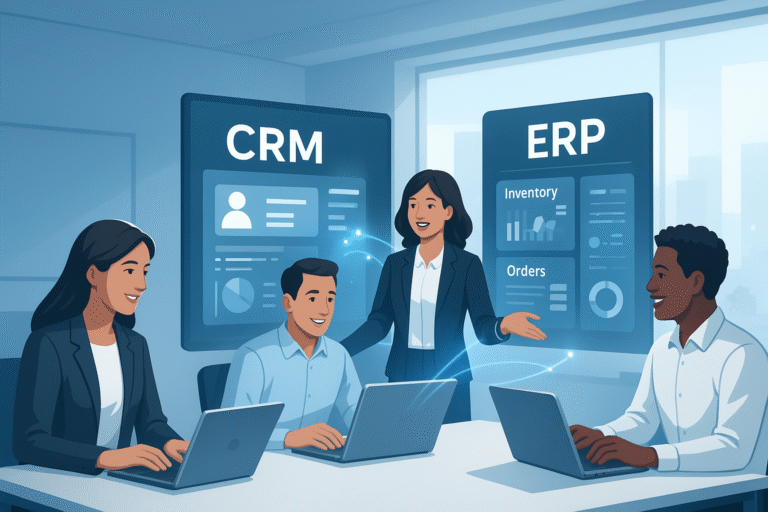
The Custom Software Development Process is a structured journey that transforms an idea into a fully functional digital solution tailored to meet specific business goals. In today’s competitive landscape, businesses are turning to custom-built software to achieve automation, efficiency, and innovation that off-the-shelf applications simply can’t deliver.This comprehensive guide explains every stage of the Custom …

The Custom Software Development Process is a structured journey that transforms an idea into a fully functional digital solution tailored to meet specific business goals. In today’s competitive landscape, businesses are turning to custom-built software to achieve automation, efficiency, and innovation that off-the-shelf applications simply can’t deliver.
This comprehensive guide explains every stage of the Custom Software Development Process, from initial planning to deployment and maintenance—along with proven best practices, expert insights, and client reviews that highlight what makes a development process truly successful.
Understanding the Custom Software Development Process
The Custom Software Development Process involves a series of systematic steps designed to build software solutions that are unique to an organization’s needs. Unlike generic applications, custom software is developed to solve specific challenges, streamline operations, and enhance user experience.
It generally includes stages such as requirement analysis, planning, design, coding, testing, deployment, and maintenance. Each stage ensures that the final product aligns with user expectations, technical requirements, and business objectives.
Why Businesses Choose Custom Software
Companies opt for custom software because it gives them a competitive edge. Rather than adapting their workflow to existing software, they get a solution built exactly around their processes. Key benefits include:
- Personalized Functionality: Every feature is designed to meet specific needs.
- Scalability: Easily adaptable as the business grows.
- Enhanced Security: Tailored systems can include stronger security layers than standard software.
- Long-Term Cost Efficiency: Though the initial investment may be higher, long-term savings come from improved efficiency and reduced licensing costs.
- Seamless Integration: Custom applications integrate smoothly with existing systems.
Key Stages of the Custom Software Development Process
Let’s break down the essential stages that define a professional Custom Software Development Process:
Stage 1: Requirement Analysis
This is where everything begins. The development team collaborates with stakeholders to identify project goals, user needs, and technical specifications.

Deliverables often include:
- Business and technical requirements documentation
- Scope definition
- Risk analysis and feasibility report
Stage 2: Planning and Design
Once requirements are clear, architects and designers create detailed wireframes, user interface mockups, and system architectures. This stage focuses on ensuring usability, scalability, and performance.
- UI/UX prototypes
- System architecture diagrams
- Database design plans
Stage 3: Development (Coding)
Developers now bring the design to life. Using agile methodologies, the software is built in iterative cycles to allow continuous feedback and refinement.
- Coding in chosen tech stack (e.g., Python, Java, .NET, or PHP)
- Integration of APIs and third-party tools
- Regular code reviews for quality assurance
Stage 4: Testing and Quality Assurance
No software should go live without rigorous testing. QA specialists test each module for functionality, security, performance, and user experience.
- Unit and integration testing
- Load and stress testing
Bugtrackingandresolution
Stage 5: Deployment
After passing all tests, the software is deployed into the production environment. Teams ensure smooth migration, data transfer, and system configuration.
- Continuous deployment pipelines
- Monitoring and rollback plans
- User training sessions
Stage 6: Maintenance and Support
The development process doesn’t end after launch. Continuous monitoring, updates, and improvements are vital to ensure long-term success.
- Regular updates and security patches
- Performance optimization
- Feature enhancements based on user feedback
Best Practices for a Successful Development Process
Adopting the right strategies can make the Custom Software Development Process efficient, cost-effective, and result-oriented. Here are proven best practices:
Clear Communication
Maintaining transparency between the client and development team ensures everyone understands the goals, timelines, and challenges.
Agile Methodology
Using an agile approach allows for flexibility and faster iteration, reducing the risk of project delays.
Continuous Testing
Testing throughout the process identifies potential issues early, saving both time and money.
User-Centered Design
Designing with end users in mind leads to better adoption rates and satisfaction.
Documentation and Version Control
Comprehensive documentation and version tracking make it easier to maintain and scale the software over time.
Post-Launch Evaluation
Gathering feedback after deployment ensures the software continues to meet business objectives.
Real-World Example of the Process
Imagine a logistics company struggling with manual shipment tracking. They decide to build a custom logistics management system.
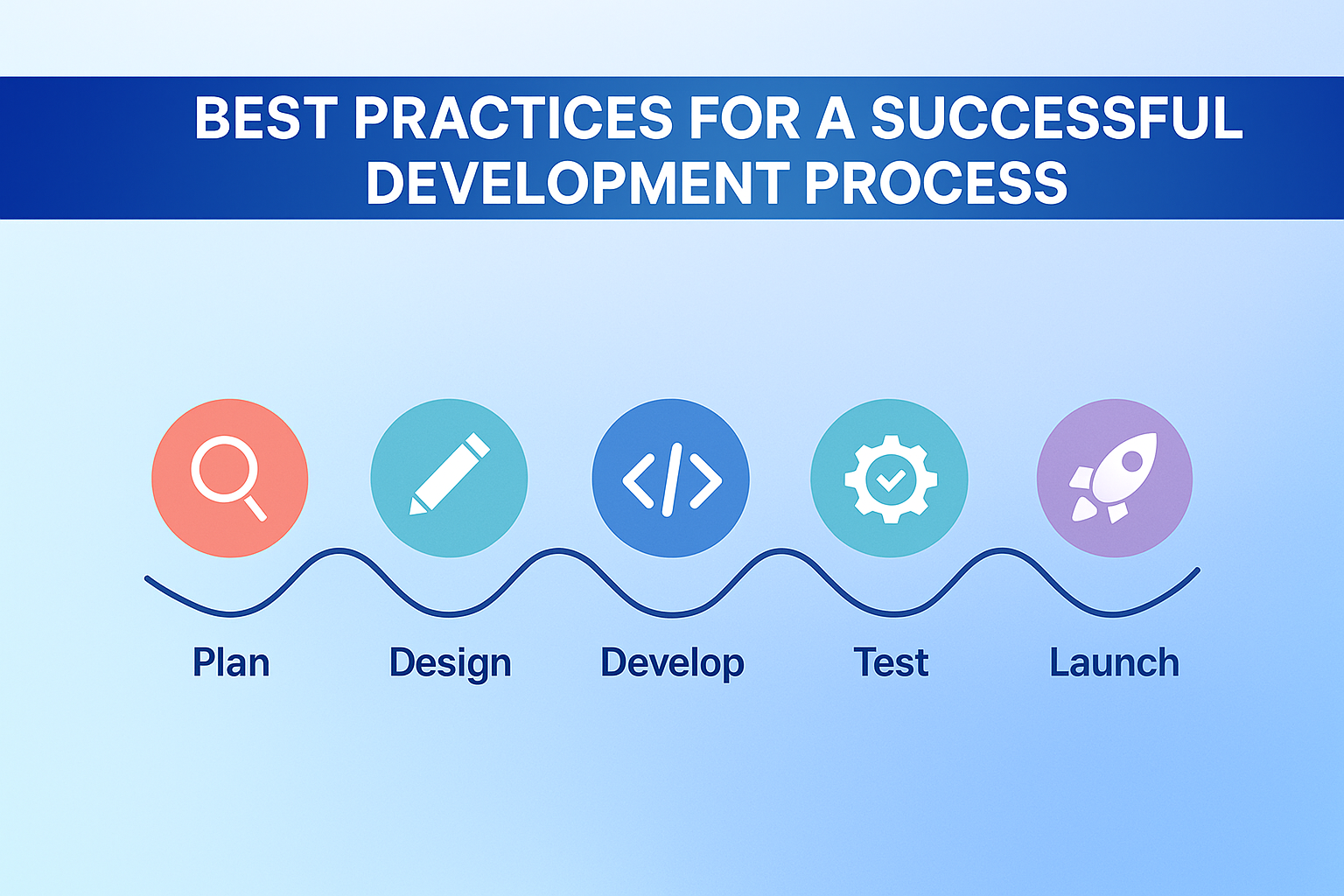
Here’s how the development process unfolds:
- Requirement Analysis: Identify real-time tracking, route optimization, and automated alerts as core features.
- Design: UI mockups ensure drivers and managers can use the system effortlessly.
- Development: Developers build modules for inventory, dispatch, and delivery monitoring.
- Testing: QA teams simulate heavy traffic loads to ensure reliability.
- Deployment: The system is launched with complete data integration.
- Maintenance: Regular updates add new features, like predictive delivery times.
This end-to-end approach highlights how the Custom Software Development Process
ensures efficiency, quality, and scalability in practical scenarios.
Reviews – What Clients Say About Custom Software Development
Client Review 1:
“Our company needed a solution to manage internal workflows. The development team guided us through every step — from planning to deployment — and built a product that fits perfectly with our operations. The custom software cut manual work by 40%.”
- Tech Operations Manager, Dubai
Client Review 2:
“We were impressed by the structured development process. The communication was clear, and testing at every phase ensured there were no surprises at launch. The system has been running smoothly for over a year.”
- CTO, E-commerce Company, USA
Client Review 3:
“The post-launch support made all the difference. Continuous updates have kept our software aligned with new market trends. Highly recommend custom software for businesses with unique needs.”
- CEO, Logistics Firm, UK
These reviews emphasize the value of a transparent, well-defined process in achieving long-term software success.
FAQs About the Custom Software Development Process
Q1. What is the Custom Software Development Process?
It’s a structured approach used by development teams to design, build, and maintain software specifically created for a particular organization or user group.
Q2. How long does it take to develop custom software?
Depending on project size and complexity, it can range from 3 months to over a year. Agile development allows for phased delivery, providing usable components early.
Q3. Is custom software more expensive than off-the-shelf products?
Initially, yes—but over time, it proves more cost-effective due to tailored functionality, scalability, and zero licensing fees.
Q4. How can I ensure my project stays on track?
Set clear goals, maintain regular communication with your development team, and use project management tools for progress tracking.
Q5. What technologies are commonly used in custom software development?
Popular stacks include JavaScript (React, Node.js), Python (Django, Flask), .NET, Java, and
PHP—depending on project requirements.
Q6. Do I need to be tech-savvy to manage a custom development project?
Not necessarily. A good software partner will explain each stage, handle technical aspects, and ensure you make informed decisions.
Q7. What happens after the software is launched?
Post-launch, teams provide ongoing maintenance, monitor performance, fix bugs, and roll out new features as needed.
The Final Thoughts
The Custom Software Development Process is more than just writing code—it’s a strategic journey of understanding business needs, planning intelligently, and delivering innovative, reliable solutions.
By following structured stages analysis, design, coding, testing, deployment, and maintenance—businesses ensure that their custom-built applications provide long-term value and seamless user experiences.
Whether you’re a startup or an enterprise, investing in a tailored development process gives you the flexibility and innovation needed to thrive in a technology-driven world.
Let’s build something exceptional together. Contact us today to start your project today.